

Downspouts
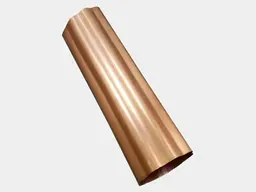
Choose plain round, plain square, square corrugated or round corrugated pipe. Match the profile, dimensions, material and finish to the fittings and the intended drainage layout.
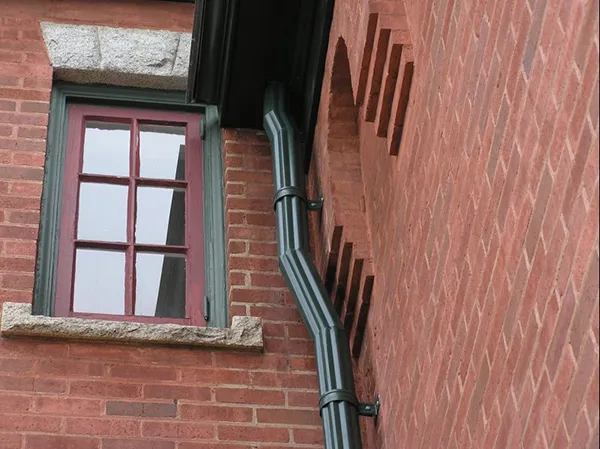
A downspout system does more than carry water down a wall. Pipe sections, elbows, supports and maintenance accessories need to fit together and follow a planned route from the gutter or conductor head to the discharge point.
K&M Sheet Metal supplies downspouts, cleanouts, elbows, fastening hardware and outlet strainers for residential and commercial projects. Use this guide to understand each component’s role, then visit the individual categories for sizes, materials and product details.
Begin with the pipe profile and drainage route. Select matching fittings and supports, then plan how the system will be inspected and cleaned.
Choose plain round, plain square, square corrugated or round corrugated pipe. Match the profile, dimensions, material and finish to the fittings and the intended drainage layout.
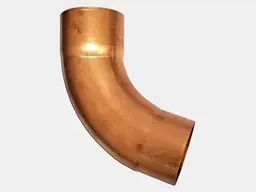
Elbows guide the pipe around roof overhangs and other projections. Check bend angle, connection size and orientation; rectangular A- and B-style elbows turn in different directions.
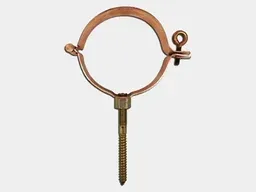
Straps, brackets, hooks and hidden mounts attach the pipe to the building. Select supports for the downspout shape, wall clearance and mounting surface.
Cleanouts provide access to remove collected debris. Coordinate the profile and connection dimensions, and leave room to open and service the cleanout.
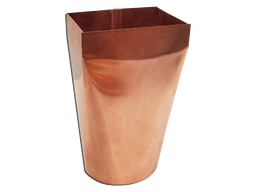
A downspout adapter joins components that do not share the same shape or dimensions. It may connect a rectangular downspout to a round drainage pipe or transition between two round pipe sizes.
Record the dimensions, route, connections and finishes you need. A clear sketch helps identify missing fittings and uncertain connections before installation.
Plain round pipe has a smooth circular surface, while round corrugated pipe has a ribbed appearance. Both can complement a range of building styles. Identify the diameter and surface profile when choosing elbows, supports and cleanouts.
Plain and corrugated square or rectangular downspouts offer different appearances and connection details. Measure both dimensions and note the orientation against the wall. Matching nominal dimensions alone does not establish that parts from different profiles or manufacturers will fit.
Check the connection ends as well as the pipe body. Crimped or tapered ends, seams and receiving openings affect how components overlap. Review the selected product details before assuming that every section joins in the same way.
For rectangular elbows, A and B identify the direction of the bend relative to the pipe profile. Check a drawing or provide an installation sketch if the direction is uncertain. Round elbows do not use the same A/B distinction.
Related components include gutter guards, gutter outlets, conductor heads and downspout adapters. An adapter changes size or shape; an elbow changes direction.
Downspout and fitting options include copper, painted aluminum, Kynar-finished aluminum and steel, and specialty metals on selected products. Availability varies by component, size and profile. Confirm that the pipe, elbows, cleanout and supports are offered in the combination you need.
Specify the base metal, thickness and coating as well as the color. Standard painted aluminum and Kynar-finished products with similar color names may not match exactly. For existing installations, compare a current physical sample where available because the installed finish may have weathered.
Strainers have their own material options, including aluminum, copper and stainless steel. Fasteners, securing wire and wall anchors also need to suit the selected assembly and supporting surface.
Drainage capacity depends on the roof area served, design rainfall, number and location of outlets, and the complete downstream route. Pipe appearance or a familiar gutter-and-downspout pairing does not establish adequate capacity for a particular building.
Have the layout checked for a new system, a change in pipe size or repeated overflow. A larger downspout cannot compensate for every restricted outlet, and reducing into a smaller drain requires a capacity check.
Support quantity and placement depend on the selected fastening product, pipe size, mounting surface and project conditions. Use the relevant installation details rather than applying one spacing rule to every building.
Plan straps and brackets around joints and service points. A cleanout needs room to open, and a connection to underground drainage should not make routine maintenance unnecessarily difficult.
Gutter guards cover the entire top of the gutter, reducing maintenance; however, leaves and debris can still accumulate on top of the gutter guard depending on the volume of fallen leaves and the roof's slope, requiring cleaning to ensure proper function.
Outlet strainers and downspout cleanouts address debris at different points. A strainer intercepts larger material before it enters the pipe; a cleanout provides access within the downspout. Neither makes the drainage system maintenance-free.
Inspect gutters, strainers and accessible connections as part of regular maintenance and after heavy leaf fall or storms. Remove accumulated debris before it restricts flow. Small material can pass through a wire strainer, and a blockage may occur beyond a cleanout’s reach.
If water backs up, check the entire route rather than assuming a single accessory will resolve the problem.
For a replacement, include close-up photos of the existing connections. For custom work, provide a dimensioned sketch and identify which measurements are fixed. K&M can review fabrication options for project-specific components; availability depends on the profile, material and requested detail.
 FAQs
FAQs
Answers to common questions about coordinating pipe, fittings, supports and maintenance accessories.
The main components are downspout pipe, elbows and supports. Depending on the installation, outlet strainers and downspout cleanouts may be added for debris management and maintenance access. The system also needs suitable connections at the gutter or conductor head and at the discharge point.
Start with the drainage layout, pipe profile and dimensions. Then identify the outlet connection, required elbows, wall supports and discharge connection. Choose materials and finishes across the assembly, and plan access for maintenance.
Do not assume so. Surface profile, dimensions, seams and connection ends can affect fit. Check each component’s listed application and drawing, especially when combining parts from different manufacturers.
Sizing depends on the roof area served, design rainfall, outlet locations and the downstream drainage route. Have those requirements checked for your project. Gutter width or appearance alone is not enough to select an adequate downspout size.
For rectangular downspouts, A and B identify different bend directions relative to the pipe profile. In a typical installation, A bends toward or away from the wall while B bends sideways. Confirm the orientation on the product drawing. Round elbows do not use the same A/B distinction.
Check the selected fastening product and installation requirements. Support quantity and placement depend on the pipe, mounting surface, exposure and layout. A standard product’s planning guidance should not be treated as a universal spacing rule.
A cleanout can be useful where maintenance access is important, especially near a connection to underground drainage. Match its profile and dimensions to the pipe, and leave enough room to open and service it.
They serve different purposes and may be used together. A strainer intercepts larger debris at the gutter outlet, while a cleanout provides access within the downspout. Choose according to the debris conditions, layout and maintenance plan.
No. Small debris may pass through, and leaves can accumulate around the strainer itself. Inspect and clean the gutter, strainer and downstream components as needed to keep the route open.
Many coordinating options are available, but the exact selection varies by product, size and profile. Confirm each component before ordering. Specify the base metal, thickness, coating and color, and compare physical samples where available.
A suitable square-to-round adapter may provide the transition. Measure both connections and confirm the receiving pipe or fitting. Nominal size labels alone do not guarantee fit, and the downstream system must have sufficient capacity.
Yes, if the replacement fits the existing components and suits the application. Provide measurements, material information and clear photos of the connections. Check actual fit rather than choosing solely by appearance or nominal size.
Not always. A restricted outlet, blocked pipe, receiving-drain problem or another capacity limitation may remain. Check the complete drainage route before deciding which component needs to change.
K&M can review custom fabrication requests. Send a dimensioned sketch, material and finish requirements, quantities and photos where helpful. Feasibility depends on the component, profile and fabrication requirements.
Availability and preparation time vary by component and selected options. Confirm the estimated schedule before ordering for a deadline. Long pipe sections and smaller accessories may have different shipping requirements; review pickup and shipping information when planning the order.