Standard Aluminum
A lighter-gauge option for economical outlet leaf protection. Sizes available include 2, 3, 4, 5 and 6 inches. Choose the size that suits the actual outlet opening.
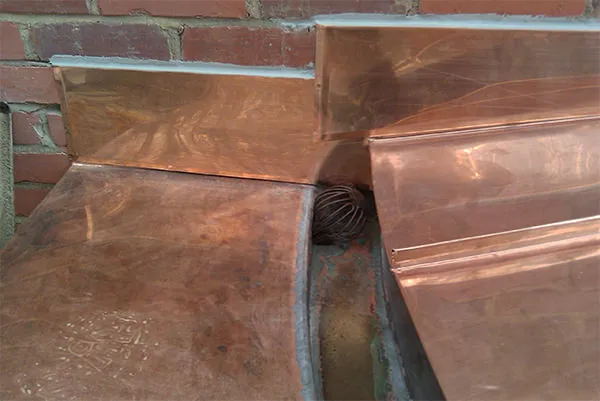
Gutter outlet strainers sit at the opening where rainwater leaves the gutter and enters the downspout. Their open wire construction helps intercept leaves and larger debris while allowing water to pass through. They provide a localized barrier at the outlet, helping reduce the debris that reaches elbows and downstream drainage connections.
K&M offers aluminum, copper and stainless steel wire strainers for gutter systems including half-round, K-style, box and custom gutters. Select the strainer for the outlet opening and surrounding clearance, rather than the gutter’s overall width alone.
K&M offers four different strainer types. Sizes below are the listed product options; confirm the selected size and fit before ordering. “Heavy duty” describes the product construction, not a published water-flow rating.
A lighter-gauge option for economical outlet leaf protection. Sizes available include 2, 3, 4, 5 and 6 inches. Choose the size that suits the actual outlet opening.
Our heavy-duty aluminum strainer uses 0.1-inch wire. It provides an aluminum alternative to the lighter-gauge strainer; confirm it's fit when replacing a different model.
Available in 3-, 4-, 5- and 6-inch sizes with 0.1-inch wire. Copper offers a coordinated material choice for a copper gutter installation.
Available in 3-, 4-, 5- and 6-inch sizes with 0.1-inch wire. K&M also identifies this model as an alternative for copper, lead-coated copper and Freedom Gray gutter systems.
Our gutter strainers can fit round, oval and square outlet applications. That does not mean every strainer fits every opening: the selected size, wire shape and available space still matter. For an unusual size outlet, send measurements and a photo if the fit is unclear.
Do not assume a 6-inch gutter requires a 6-inch strainer. Gutter outlets and downspouts have distinct dimensions, so always select the strainer size based on the actual outlet measurements.
These wire strainers are designed to be inserted into the gutter outlet without separate fasteners or installation tools. Seat the selected strainer securely according to its shape and fit. If it drops into the pipe, sits loosely or must be severely distorted, check the size and application before proceeding.
Clear existing leaves from the gutter and check that the outlet and downspout are open before installing a strainer. Do not fasten or seal the strainer you want to keep the stainer removable for future cleaning.
Inspect the strainer as part of gutter maintenance, particularly after heavy leaf fall or storms. Remove debris caught against the wires and around the outlet. A packed layer of leaves can restrict drainage, so a strainer should never be treated as a maintenance-free solution.
Intercept larger debris at individual gutter outlets. They help protect your downspouts from getting clogged by leaves and other large debris. They do not cover the full gutter or remove leaves that collect elsewhere in the trough so regular gutter cleaning is still required.
Covers the entire top of the gutter to limit debris entry. Their suitability depends on the gutter, roof and debris conditions, and they still need inspection and periodic maintenance.
Provide access within the downspout for maintenance. They may be useful where a pipe connects to underground drainage and access would otherwise be limited.
Wire strainers are not fine filters. Small debris can pass through, and a strainer will not clear an existing blockage or correct an undersized drainage system. If water continues to overflow, check the gutter, outlet, downspout and downstream route together.
These swatches illustrate the material families offered. They do not represent the wire pattern or guarantee the appearance of a particular strainer.
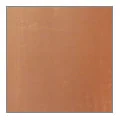
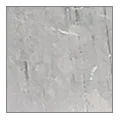
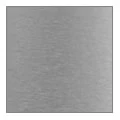
Availability is specific to the strainer model. The broader Materials and Colors collection does not mean every finish is offered for wire strainers.
 FAQs
FAQs
Find answers about outlet compatibility, material choices and keeping your drainage path clear.
A gutter strainer helps intercept leaves and larger debris at the outlet before they enter the downspout. It can reduce debris entering elbows and downstream drainage, but it does not prevent every blockage or replace routine cleaning.
The standard aluminum strainer is listed in 2-, 3-, 4-, 5- and 6-inch sizes. Heavy-duty aluminum is listed in a 4-inch size. Heavy-duty copper and stainless steel are listed in 3-, 4-, 5- and 6-inch sizes. Confirm current options and the fit of the selected product before ordering.
Measure the actual gutter outlet opening, identify its shape and check clearance around and above it. Match those details to the strainer listing. Do not choose solely by the gutter width or assume the downspout’s nominal size is the outlet’s actual opening.
The listed wire strainers identify round, oval and square outlet applications. Fit still depends on the selected size and opening geometry. Contact K&M with measurements and photos for a rectangular, unusual or uncertain fit.
Yes, provided the outlet and available clearance suit the selected strainer. The gutter profile alone does not determine compatibility. Check custom and built-in gutters by their actual outlet dimensions as well.
They are inserted into the gutter outlet without separate fasteners or installation tools. Check that the selected strainer seats securely and remains removable for cleaning. Clear existing debris first and arrange safe access to the gutter.
The heavy-duty aluminum, copper and stainless steel strainers use a 0.1-inch wire. The standard aluminum model is a much lighter gauge. Heavy-duty construction does not establish a higher drainage capacity or mean the strainer needs less cleaning.
Yes. Leaves can collect around the wire basket and outlet. Inspect them during gutter maintenance and after heavy leaf fall or storms, removing collected debris before it restricts flow. The required frequency depends on surrounding trees and local conditions.
Debris packed against a strainer can restrict flow into the outlet. Remove the debris and check the rest of the drainage route. Persistent overflow may have other causes, including a blocked downspout or insufficient system capacity.
Not reliably. These are open wire strainers rather than fine filters, so small or narrow debris may pass through. Some material may also collect around the wires, making inspection and cleaning necessary.
No. A strainer protects an individual outlet, a gutter guard covers a length of gutter, and a downspout cleanout provides maintenance access within the pipe. They serve different roles and may be used together when the layout allows.
Yes, a stainless steel strainer can be used as an alternative for copper, lead-coated copper Freedom Gray, aluminum or galvalume steel guter systems. Confirm the size and suitability of the specific product for your installation.
No. It can help limit larger debris entering the downspout, but smaller material may pass through and existing blockages remain. Keep access to the downstream system available and consider a suitable downspout cleanout as part of the maintenance plan.
Contact K&M with the outlet dimensions, gutter material, photos and quantity. We can review available options for the application. Do not assume that a custom size, painted finish or another metal from the general material chart is available for wire strainers.